The Practice of Equanimity from Reflections on Vegetable Roots 雁渡寒潭
- Mar 23, 2024
- 2 min read
Updated: Feb 13
I’ve been exploring a classic book called Reflections on Vegetable Roots (菜根譚, Caigentan) from the Ming Dynasty. Although it was written long ago, it still has so much to teach us today. It felt as if this wisdom had been quietly waiting for me to discover it.
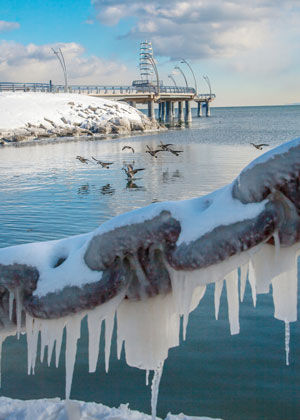
One verse, in particular, really speaks to me. I first heard it when I was a teenager. The image of geese flying over a cold lake has stayed with me ever since. Whenever life feels a bit tough, I think of that verse—it brings me peace.
「風來疏竹,
風過而竹不留聲;
雁渡寒潭,
雁去而潭不留影。
故君子事來而心始現,
事去而心隨空。」
The wind passes through a bamboo grove.
When it’s gone, no sound remains.
Geese fly over a frozen pond.
When they’re gone, no reflection remains.
Thus, when things arise, a person of character responds.
When things pass, their mind returns to openness.
In the verse, the wind and flying geese represent all the thoughts and feelings that pop into our minds. The good news? We don’t have to hold onto them—they will pass on their own!
I’ve learned that these thoughts can create pathways in our brains, shaping how we think over time. Even though it might feel like our thinking habits are set in stone, we can change them if we start paying attention.
We can practice noticing our thoughts and feelings when they come. We can imagine our minds as a bamboo forest, where thoughts pass through like wind—then fade, leaving the forest quiet again. Or we can picture our minds as a frozen lake, where thoughts are like geese flying overhead—their reflections appear and then disappear.
Our minds can notice whatever comes—and gently let it go.


